Last updated: November 21, 2026
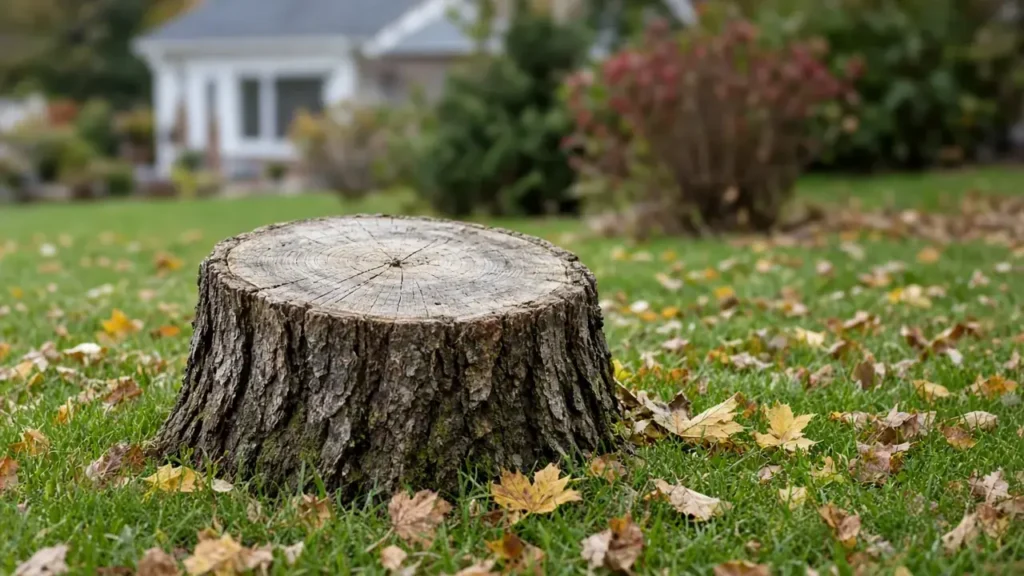
A stump is not an emergency, which is why it sits in the lawn for a year while you walk around it. You have four honest options: grind it, dig it, rot it (slowly), or hide it. Only one of those is fast. “Without a grinder” is a real goal if the stump is small, or if you cannot get a machine through the gate, but it is not always cheaper once you count your weekend.
This is not a guide to burning a stump out of a suburban yard, and it is not a suggestion to use kerosene or a stump “bomb.” Those ideas show up in search results. They also start fires and annoy neighbors.
How big is the stump, really?
Measure the diameter and be honest about the roots. A 4-inch ornamental that was cut last month is a digging job. A 24-inch oak that was a mature shade tree is a grinding job, or a paid job, unless you are prepared to live with a slow chemical rot and a trip hazard for a year or two.
Also notice the height of the cut. A stump left two feet high is harder to grind and harder to dig. If the tree is already down and you still have a chance to cut it lower, closer to the soil (without sending a saw into the dirt), do that first.
If the tree is still standing, you are in a different article. Removal comes first; DIY vs hire applies.
Option 1: Rent a stump grinder anyway (often the right “DIY”)
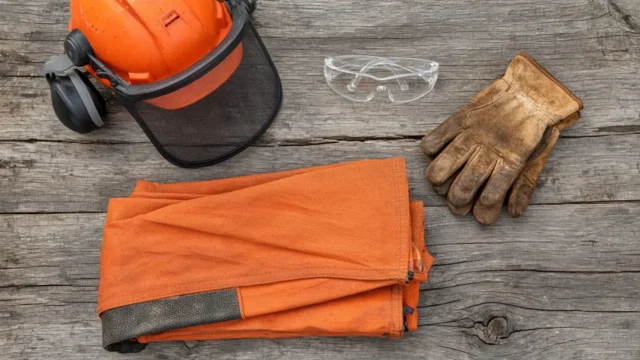
This sounds like cheating in an article about not using a grinder, but it is the option most people should compare first. A half-day rental from a tool yard, plus a vehicle that can tow or a delivery fee, plus eye, ear, and foot protection, plus a careful read of the machine’s manual, will often clear a typical backyard stump in an afternoon.
It is still work. The machine can kick, throw chips, and hit hidden rocks or a forgotten concrete walk. If you are not comfortable with power equipment, hire a grinding add-on from the same crew that took the tree, or a local grinding service. The point of this section is only this: “without a grinder” should be a choice, not a dare.
Option 2: Dig it out by hand
This works when the stump is small and the soil is workable.
- Cut the stump as low as you reasonably can.
- Dig a trench around it and expose the large lateral roots.
- Cut those roots with a pruning saw, a reciprocating saw, or (carefully) an axe or a mini chainsaw out in the open, not down in a hole with the bar hidden. Dirt ruins a chain in seconds. If you use a mini chainsaw, keep the work above the soil line and see the mini chainsaw guide for what those tools are actually for.
- Work your way under the stump, cutting roots as you find them, and lever the mass out with a digging bar. A come-along or a jack can help on a slightly larger stump if you know how to rig it without turning the bar into a missile.
Expect to be sore. Expect a hole that needs fill dirt and a little extra soil for settling. This is the cleanest “no machine” method, and it is miserable on a big stump. If you have hit a root the size of your calf and you are two hours in with the stump unmoved, you have your answer about renting the grinder.
Option 3: Chemical stump killer (patience required)
Search “stump killer chemical” and you will find potassium nitrate products and a lot of marketing. The honest version:
- These products do not make a stump vanish over a long weekend. They can speed decay over months if you drill holes in the freshly cut (or freshly re-cut) surface, apply as directed, and keep the wood working. Some stumps still take a year.
- Read the label. Keep it away from kids, pets, and other roots you want to keep. Do not treat this like a magic powder you dump in a pile of leaves.
- After the wood has softened, you still usually need to break it up, dig, or burn only where burning is legal and safe — which, in a tight suburb, is often “not here.”
A chemical killer can make sense if the stump is in the way aesthetically but not a trip hazard you need gone this month, or if a machine simply cannot reach it. It is a poor choice if you want to re-seed a smooth lawn before a party in three weeks.
Where to buy:
If you use a link above, we may earn a commission. See the affiliate disclosure.
Option 4: Leave it, or turn it into something else
A low, solid stump in a back corner can become a plant stand, a base for a bench, or just a thing you mow around until you care more. A high stump in the middle of a lawn is a mower hazard and a toe-stubber. If you leave it, cut it as low as you can and be honest about the trip risk.
Do not bury a tall stump under a pile of soil and hope. You will get settling, sprouts on some species, and a soft spot.
Sprouts and “the tree is coming back”
Some species (privet, some maples, ailanthus, willows) will send shoots from the stump or roots. Grinding or digging is the more complete answer. Cutting sprouts off at the ground can take a while and still not finish the job. If you use a herbicide on sprouts, that is a labeled-pesticide decision with drift and pet/kid concerns — follow the label or hire it; this article will not recommend a casual mix.
When to pay someone
- The stump is large, close to a foundation, a buried line, or an irrigation main you cannot map.
- You cannot get a rental machine in, and digging has already lost.
- You just wanted the tree gone and you do not want a second project.
A grinding service is often cheaper than you fear if they are already in the neighborhood, and it is almost always cheaper than a ruined Saturday plus a visit to a clinic for a bounced bar.
The bottom line
Dig small stumps. Rot stubborn, out-of-the-way stumps if you can wait. Rent or hire a grinder for anything that looks like a real tree. Skip the backyard fire-pit method. If you want the lawn back by a date certain, start with the machine, not the bottle.